



 Give a Gift

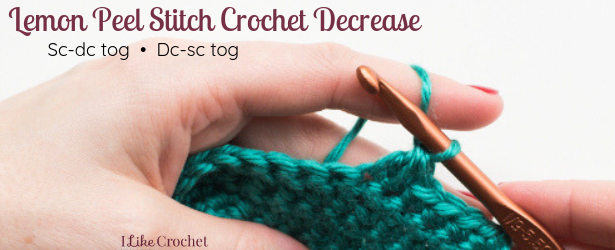
By now you may have heard of the sc2tog and dc2tog crochet decreases, both of which are often found in patterns that require decreasing. However, if you’re working a pattern that features stitches of different heights, you’ll want to use one of the crochet decreases mentioned below.
These decreases account for the alternating heights of single crochets and double crochets found in the lemon peel stitch, a beautiful stitch that gives patterns gorgeous texture and is featured in our Purr-fect Backpack pattern.
If you’re wondering how to decrease in the lemon peel stitch without disrupting that alternating texture, you’re in the right place. Learn how to work a sc-dc tog crochet decrease and a dc-sc tog crochet decrease with the photo tutorials below.

Get this special collection of 3 FREE baby blanket patterns from I Like Crochet right now!
How to Work a Sc-Dc Tog Crochet Decrease
Sc-dc tog = Insert hook into next st, yo, draw up a lp, yo, insert hook into next st, draw up a lp, yo, pull through 2 lps on hook, yo, pull through 3 lps on hook.
This decrease combines a single crochet and a double crochet into one stitch, making it especially useful when you’re working a stitch pattern with alternating sc and dc stitches, such as the lemon peel stitch.
Get this special collection of 3 FREE baby blanket patterns from I Like Crochet right now!
-
- Work until your pattern calls for a sc-dc tog stitch. Insert hook into the next stitch, yarn over and draw up a loop. Two loops will now be on your hook.
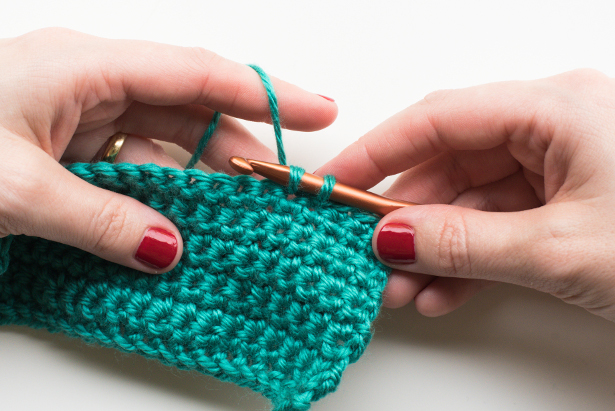
- Work until your pattern calls for a sc-dc tog stitch. Insert hook into the next stitch, yarn over and draw up a loop. Two loops will now be on your hook.
“`
-
- Next, yarn over and insert hook into the next stitch. Yarn over and draw up a loop. Four loops will now be on your hook.
“`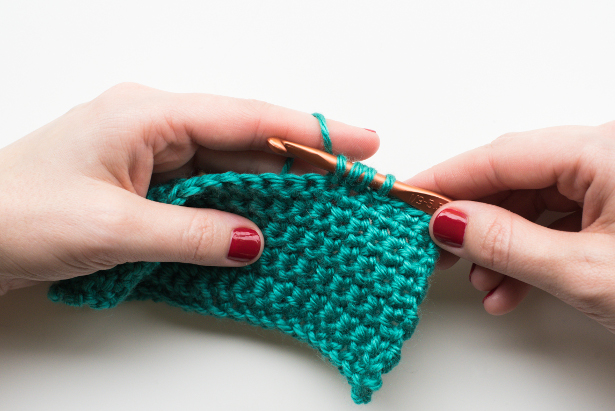
- Next, yarn over and insert hook into the next stitch. Yarn over and draw up a loop. Four loops will now be on your hook.
“`
-
- Yarn over and draw the loop through 2 loops on the hook. Three loops will now be on your hook.
“`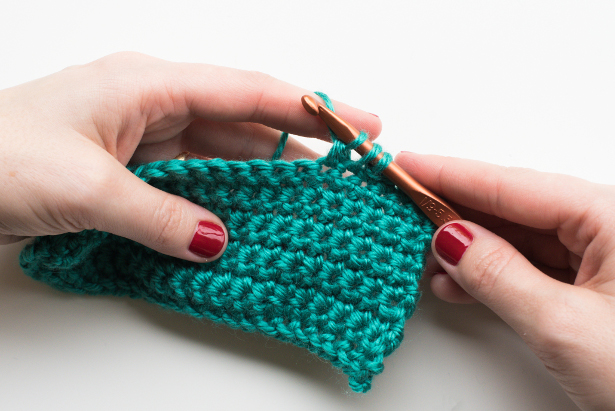
- Yarn over and draw the loop through 2 loops on the hook. Three loops will now be on your hook.
“`
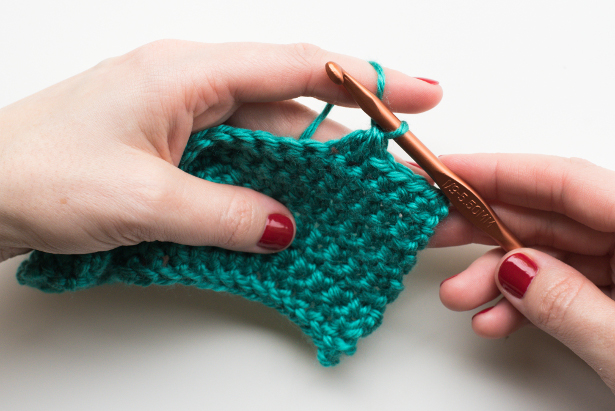
- Last, yarn over and draw the loop through all 3 loops on the hook. Your sc-dc tog decrease is complete.
“`
How to Work a Dc-Sc Tog Crochet Decrease
Dc-sc tog = Yo, insert hook into next st, draw up a lp, yo, pull through 2 lps, insert hook into next st, draw up a lp, yo, pull through all 3 lps on hook.
Just like the sc-dc tog, this decrease combines two stitches of different heights into one. The difference is that you begin with the double crochet portion of the decrease before completing the single crochet portion.
- Work until your pattern calls for a dc-sc tog stitch.
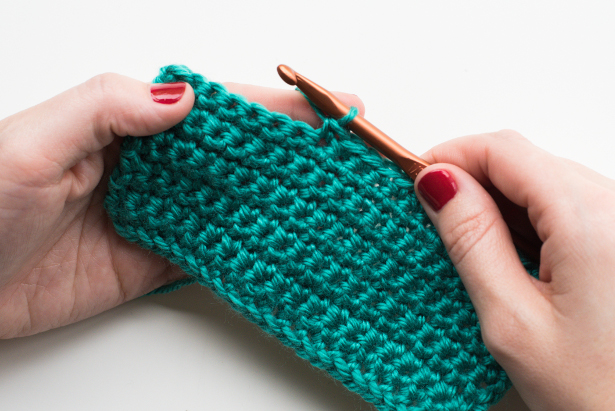
- Next, yarn over and insert hook into the next stitch.
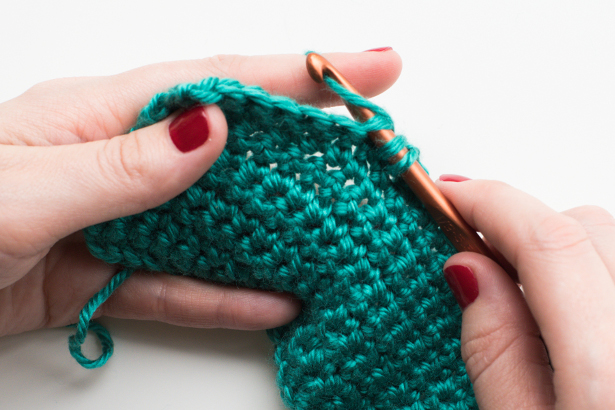 Yarn over and draw up a loop.
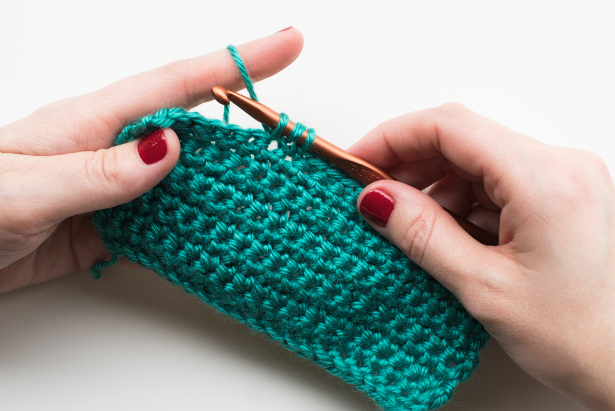 Next, yarn over and draw the loop through 2 loops on the hook. Two loops will now be on your hook.
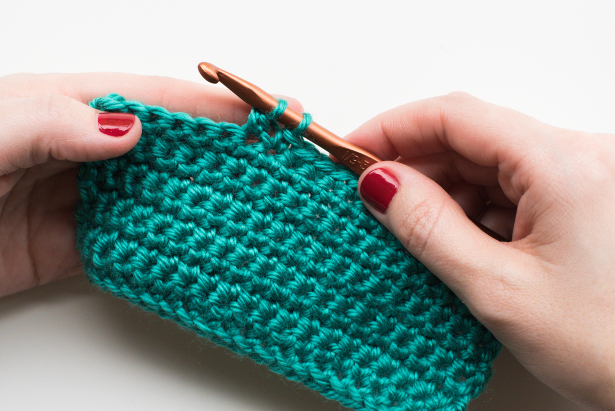 Insert hook into the next stitch and draw up a loop. Three loops will now be on your hook.
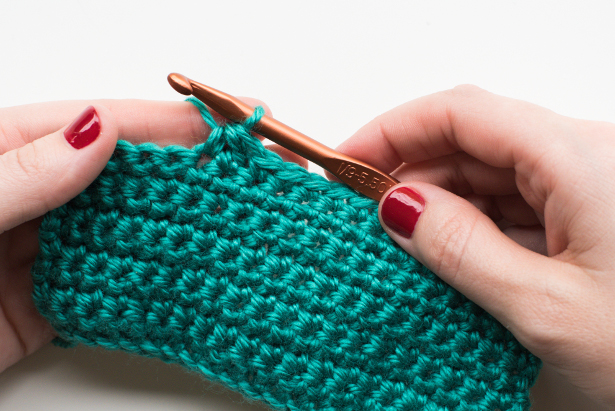
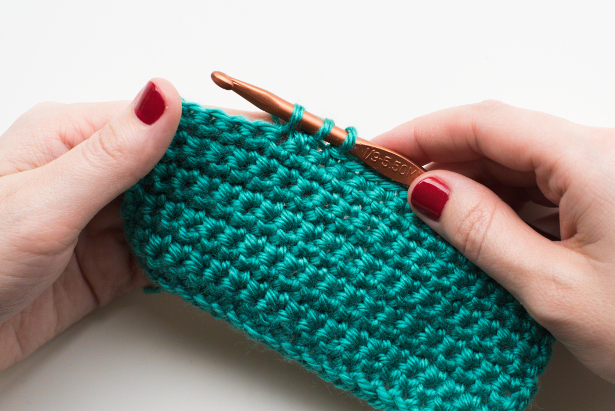 Finally, yarn over and draw the loop through all 3 loops on the hook. Your dc-sc tog decrease is complete.
Why Use a Mixed-Stitch Crochet Decrease?
When you’re working the lemon peel stitch, the alternating single crochet and double crochet stitches are what create its signature texture. Because those stitches have different heights, a standard sc2tog or dc2tog decrease may not always be the best fit for the stitch pattern.
A sc-dc tog or dc-sc tog decrease lets you combine two neighboring stitches while accounting for those different stitch heights. This helps the decrease blend more naturally into the surrounding lemon peel stitch pattern.
As always, follow the specific decrease instructions given in your crochet pattern. The stitch you need to work first will depend on where the decrease falls within the alternating sc and dc sequence.
Frequently Asked Questions About Lemon Peel Stitch Decreases
What is the lemon peel stitch in crochet?
The lemon peel stitch is a textured crochet stitch pattern made by alternating single crochet and double crochet stitches. The difference in stitch heights creates its distinctive, slightly bumpy texture.
Can you use sc2tog or dc2tog for the lemon peel stitch?
You can use standard crochet decreases in some lemon peel stitch patterns, but the decrease you need depends on the stitch sequence and where the decrease occurs. Some patterns use mixed-stitch decreases such as sc-dc tog and dc-sc tog to maintain the alternating stitch pattern.
What is an sc-dc tog crochet decrease?
An sc-dc tog combines a single crochet and a double crochet into one stitch. You work part of the first stitch, part of the second stitch, and then finish the decrease by pulling through the remaining three loops on your hook.
What is a dc-sc tog crochet decrease?
A dc-sc tog combines a double crochet and a single crochet into one stitch. You begin the double crochet, leave it unfinished, then work the single crochet before pulling through all three remaining loops.
How do I know which lemon peel stitch decrease to use?
Follow the stitch sequence in your pattern. If the decrease begins with a single crochet, you may need a sc-dc tog; if it begins with a double crochet, you may need a dc-sc tog. Always follow the specific instructions provided by the pattern you’re making.
Many moons ago when I started learning crochet this stitch was called the Cobble Stitch or Griddle Stitch. Seems to be a bit of a chameleon 🙂 I love this decrease, I was working on a Rumpled Ripple afghan pattern I’ve work for years as a baby and as and adult size. It’s lovely with the texture within the ripple. Anyway, got to try it right out on my piece. Nicccce!
How do you do the lemon peel stitch. Please written pattern.
Hello! This pattern uses the lemon peel stitch: https://www.ilikecrochet.com/magazine/crochet-bag-patterns/purr-fect-backpack/
-Nicola, Editor
Yes – my email specifically states 2 together decrease of the lemon peel stitch as if it differs from this dc2tog tutorial. Is it different, the article title makes is seem so. Please advise.
Hi Adrianne, decreasing in the lemon peel stitch differs from a standard sc2tog or dc2tog because you are decreasing over an sc and dc stitch. So depending on if you are working the dc first or the sc, the steps for the decrease will look a little different. I hope that helps clarify. -Dana, Editor
How can you resume the alternating pattern after a decrease has changed the sequence of alternating stitches?
Looks very hard to crochet ??